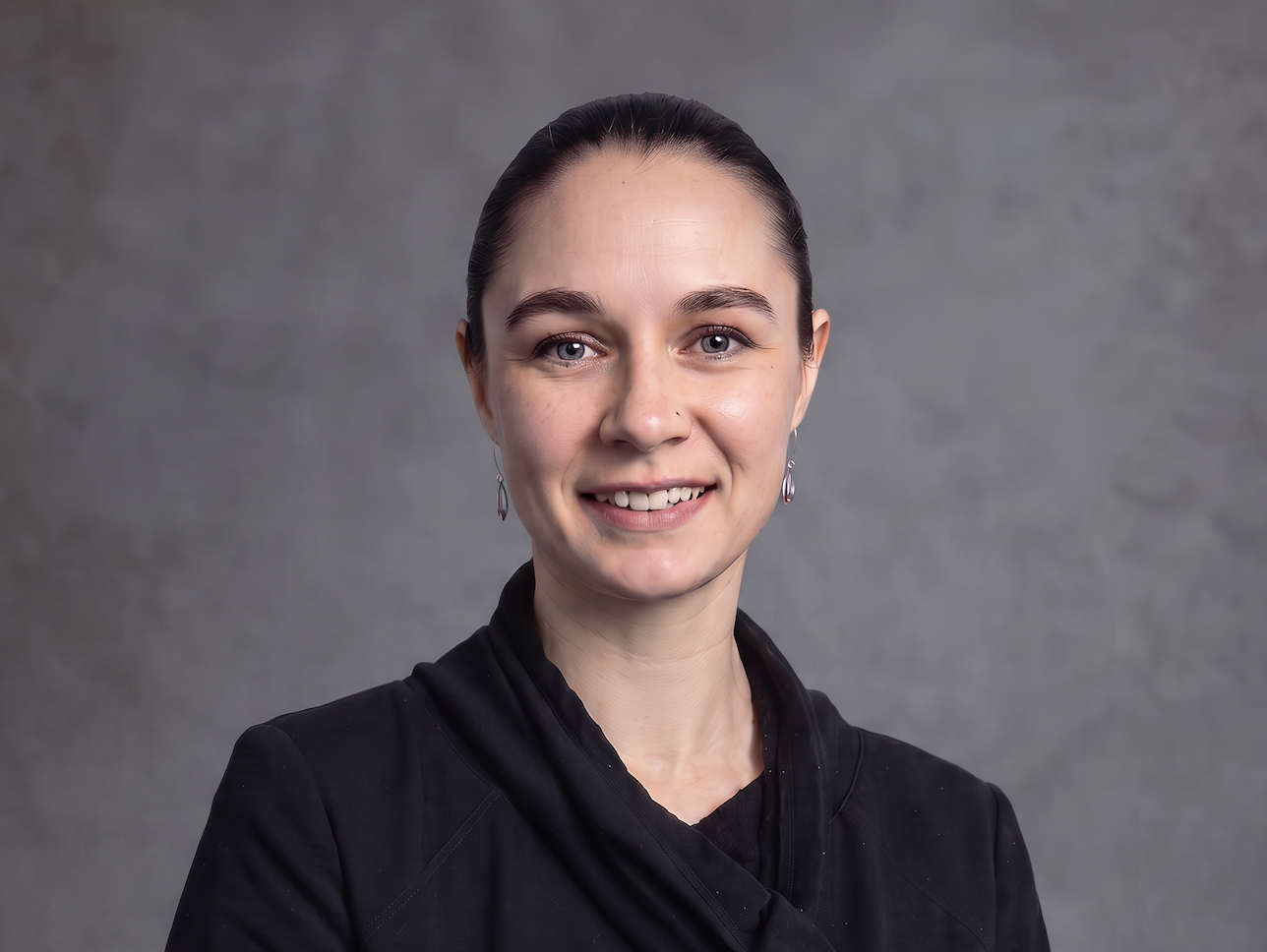
Elizabeth Bolton, LAC
Licensed Associate Counselor
Elizabeth Bolton, LAC, is a mental health counselor with extensive experience providing compassionate, evidence-based therapy to individuals, couples, families, children, and adolescents. Throughout her career, Elizabeth has worked with clients experiencing a wide range of emotional, behavioral, relational, and life challenges, including anxiety, depression, trauma, bipolar disorder, stress, anger, substance use concerns, relationship difficulties, LGBTQIA+ concerns, and women’s issues.
Elizabeth earned her Master’s degree in Mental Health Counseling from Monmouth University, where she completed a graduate fellowship and graduated with a 4.0 GPA. Her education and extensive clinical experience have provided her with a strong foundation in psychotherapy, assessment, treatment planning, case management, crisis support, and evidence-based mental health interventions.
Elizabeth is currently a psychotherapist with Monarch Counseling Center, where she provides individual and couples therapy to clients with a variety of mental health and relationship concerns. She develops individualized treatment plans based on each client’s unique needs, goals, experiences, and strengths and utilizes evidence-based interventions to help clients better understand the connection between their thoughts, emotions, behaviors, and relationships.
Elizabeth’s therapeutic approach is collaborative, compassionate, and individualized. She incorporates Cognitive Behavioral Therapy (CBT), Person-Centered Therapy, Motivational Interviewing, behavioral interventions, and other evidence-based approaches into her clinical work. Rather than utilizing a one-size-fits-all approach, Elizabeth works collaboratively with clients to identify therapeutic strategies that align with their individual circumstances, strengths, and goals.
Elizabeth has significant experience providing individual, couples, family, and group counseling across outpatient, community-based, substance use, and behavioral health settings. She has worked with adults and adolescents experiencing substance use concerns and co-occurring mental health conditions and has provided intake assessments, treatment planning, case management, community referrals, anger management services, and individual and group counseling. Her experience working with individuals from diverse backgrounds allows her to approach therapy with an understanding of the many personal, relational, social, and environmental factors that can influence mental health and well-being.
Elizabeth also has experience working with children and adolescents, including young people experiencing social skills challenges and adolescents receiving treatment for substance use concerns. Her background working across the lifespan allows her to consider not only an individual’s symptoms but also the family systems, relationships, developmental experiences, and environments that may contribute to their current concerns.
In her work with couples, Elizabeth helps partners strengthen communication, improve active listening skills, better understand recurring patterns of conflict, and develop healthier ways of expressing their individual needs. She strives to create a balanced and supportive therapeutic environment where each partner has the opportunity to feel heard while working collaboratively toward greater understanding and connection.
In addition to her traditional mental health background, Elizabeth previously worked as a Certified Birth Doula, supporting individuals and their partners throughout pregnancy, childbirth, and the transition into a new family structure. This experience provided her with additional insight into major life transitions, changing family dynamics, expectations surrounding parenthood, and the emotional adjustments that can accompany pregnancy, childbirth, and the postpartum period.
At Monarch Counseling Center, Elizabeth is committed to providing clients with a welcoming, supportive, and nonjudgmental environment where they can openly explore their experiences and work toward meaningful change. She believes that effective therapy should recognize each client’s individual strengths while providing practical tools for navigating challenges, improving relationships, developing healthier coping strategies, and creating a greater sense of emotional well-being.